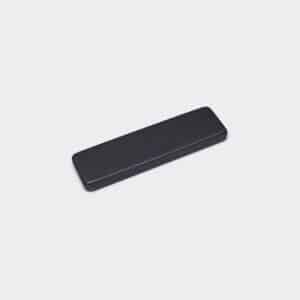
Low Friction (Dry Lube), Chemical Resistant, “Cookware-Grade” Release
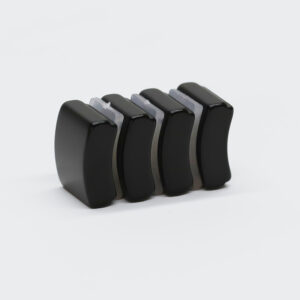
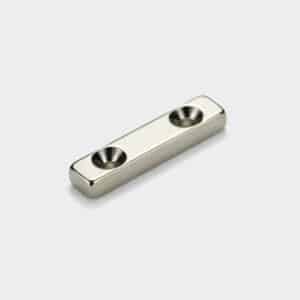
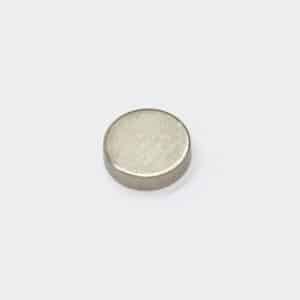
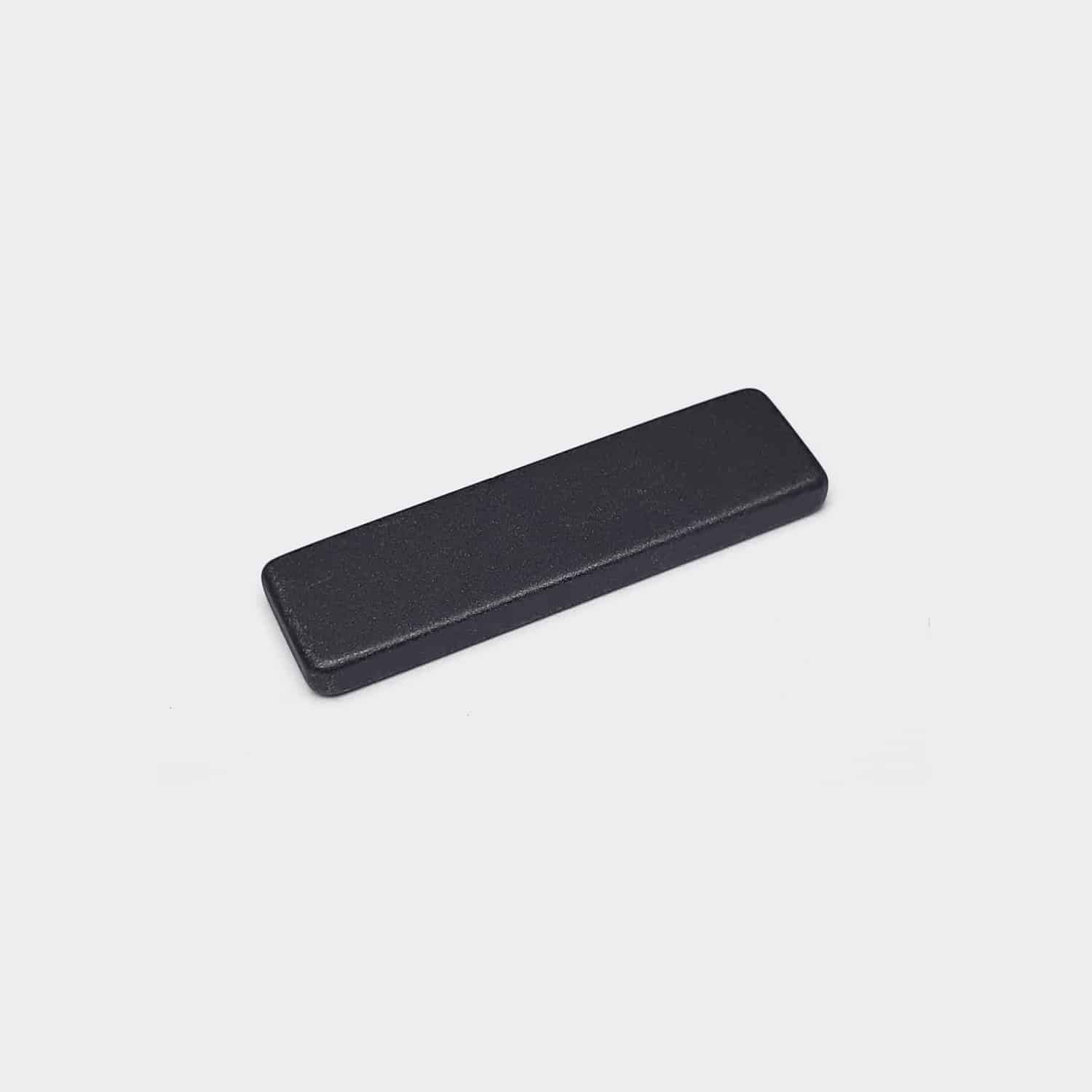
We supply Custom Neodymium Magnets finished with a specialized Black PTFE (Polytetrafluoroethylene) Spray Coating.
It’s different from the thick white PTFE shells used for laboratory stir bars.
This finish is a Thin-Film Cured Coating (similar to the non-stick surface on premium cookware).
This sprayed PTFE coating is suitable for dynamic applications.
It combines excellent chemical resistance with an extremely low Coefficient of Friction (COF).
This “Dry Lubrication” finish is the superior choice, if your magnet needs to:
– Slide inside a tube
– Move against a steel plate
– Resist the buildup of sticky adhesives
Why Black PTFE?
This coating solves mechanical friction problems that Nickel and Epoxy cannot.
1. Dry Lubrication (The “Sliding” Factor):
The Problem:
Standard Nickel or Epoxy magnets are “sticky.”
If used in a plunger or sliding latch, they generate friction and heat, eventually wearing down.
The PTFE Solution:
PTFE is self-lubricating.
It provides a slick, slippery surface.
Allows the magnet to glide smoothly against other surfaces.
And doesn’t need wet oil or grease (which attracts dust).
2. The “Non-Stick” Property (Release Agent):
The Application:
Packaging machinery or Glue/Tape dispensing lines.
The Logic:
In manufacturing lines handling adhesives, glue splatter often ruins standard magnets.
The Benefit:
Just like a non-stick pan, adhesives and contaminants do not bond to this surface.
They can be wiped off easily, keeping your sensors and holders clean.
3. “Thin-Film” Precision:
The Difference:
Our White PTFE Shells are 0.5mm thick.
This Black Spray coating is only 15 – 25 microns thick.
The Benefit:
It provides chemical protection without significantly changing the magnet’s dimensions.
Allows for tighter tolerances in your assembly.
Ideal Applications
Linear Actuators: Magnets sliding inside aluminum or steel tubes.
Medical Devices: Components requiring a “Clean/wipe-down” surface.
Molding Equipment: Magnets used to hold inserts in molds (plastic won’t stick to the magnet).
Valve Floats: Magnetic floats in fluid level sensors (chemical resistance + low friction).
Ordering Guide: Specifying the Spray
To quote this accurately, please specify:
1). Dimensions: Shape and Size.
2). Function: “Is this magnet stationary, or does it slide?”
3). Environment: “What chemicals (if any) will touch this?” (While good, the spray coating is not as impermeable as the thick white shell).
4). Adhesive Warning: “Do you plan to glue this magnet?”
Note:
It is very difficult to glue a non-stick magnet!
If you need to glue it, we must mask one side (leave it uncoated).
Or, you must use a specialized primer.