Rated to 250°C (482°F), Extreme Coercivity
The TH (Temperature High) Series represents the technological pinnacle of sintered Neodymium.
Standard Neo grades fail at 80°C.
Even “High Temp” grades (UH/EH) often tap out at 200°C.
Our Custom TH Series is formulated with a rich dysprosium/terbium heavy-earth mix.
Pushing the maximum operating temperature to 250°C.
This grade is engineered for extreme industrial applications.
For example, downhole drilling tools, fiber-optic manufacturing, and turbo-machinery.
For such applications, engineers previously had to use weaker Samarium Cobalt magnets.
The TH Series allows you to maintain the superior structural integrity.
And also higher flux density of Neodymium in environments that were previously impossible.
Why “TH” instead of SmCo?
At 250°C, the choice is usually between TH-Neo and SmCo.
Here is why you should stay with Neo:
1. Mechanical Durability:
The Problem:
Samarium Cobalt (SmCo) is notoriously brittle.
It chips during assembly and fractures under vibration.
The TH Advantage:
TH-Grade Neodymium is mechanically stronger.
Less prone to chipping than SmCo.
If your application involves high vibration (e.g., a high-speed motor or drill bit), TH Neo is the safer structural choice.
2. The Coercivity Factor (Hcj):
The Science:
To survive 250°C, a magnet needs massive Intrinsic Coercivity (Hcj) to resist reversing its polarity.
The Spec:
Our TH Series features Hcj values exceeding 33 kOe.
This “magnetic hardness” ensures that even when the magnet is superheated, the magnetic domains remain locked in alignment.
3. Shape Efficiency (Pc Value):
Expert Note:
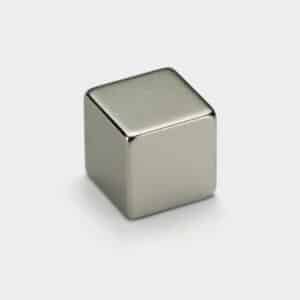
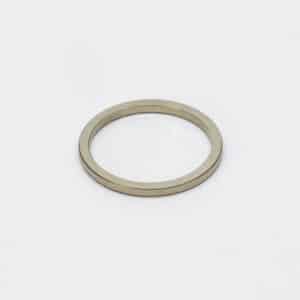
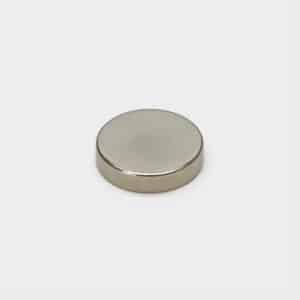
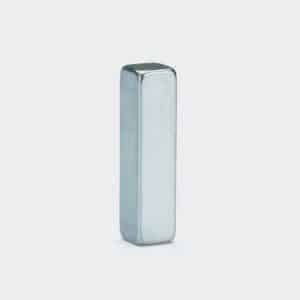
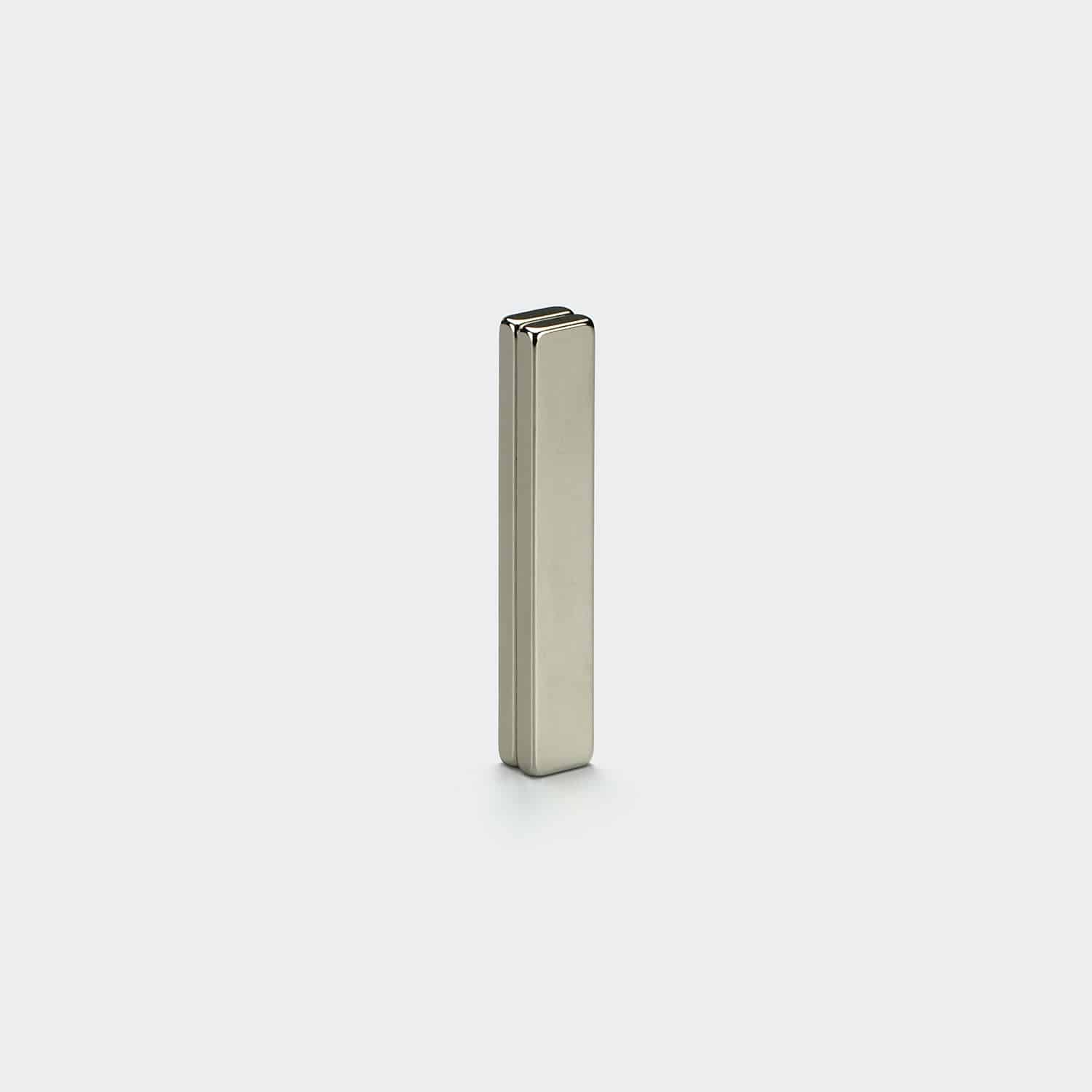
As shown in the product photo, we often supply TH magnets in Long Bar or Thick Block forms.
The Reason:
To survive 250°C, the magnet needs a high Permeance Coefficient (Pc).
A long/thick shape helps the magnet support itself against demagnetization.
Thin discs are risky at this temperature; substantial bars are safer.
Manufacturing & Coating Advisory
At 250°C, standard coatings will fail.
You must choose the finish carefully.
Standard Epoxy (Avoid):
Most epoxies soften or melt at 250°C.
Do not use them.
Nickel (Ni-Cu-Ni):
Good up to roughly 200°C-230°C, but may discolor.
Passivation / Phosphating:
Highly Recommended.
If the magnet is enclosed inside a motor or oil tool, a chemical passivation is the best choice.
It won’t peel or melt under extreme heat.
Bare / Uncoated:
Often used in vacuum applications to eliminate outgassing.
Ideal Applications
Oil & Gas: Downhole sensors and steering tools (MWD/LWD) where underground heat is intense.
Motorsport: Hybrid motor-generators (KERS) and turbo-chargers.
Industrial Ovens: Magnetic latches for curing ovens or autoclaves.
Vacuum Pumps: High-speed rotors running in hot, friction-heavy environments.
Ordering Guide: Critical Parameters
To quote TH magnets safely, we need to analyze the thermal stack-up.
Please provide:
1). Dimensions: (Thicker is better for heat resistance).
2). Max Temp Spike: “Does it run at 200°C and spike to 250°C? Or run constantly at 250°C?”
3). Coating: “Is this exposed to air, oil, or vacuum?”
4). Assembly Method: “Will you be gluing this?” (We can advise on high-temp adhesives).